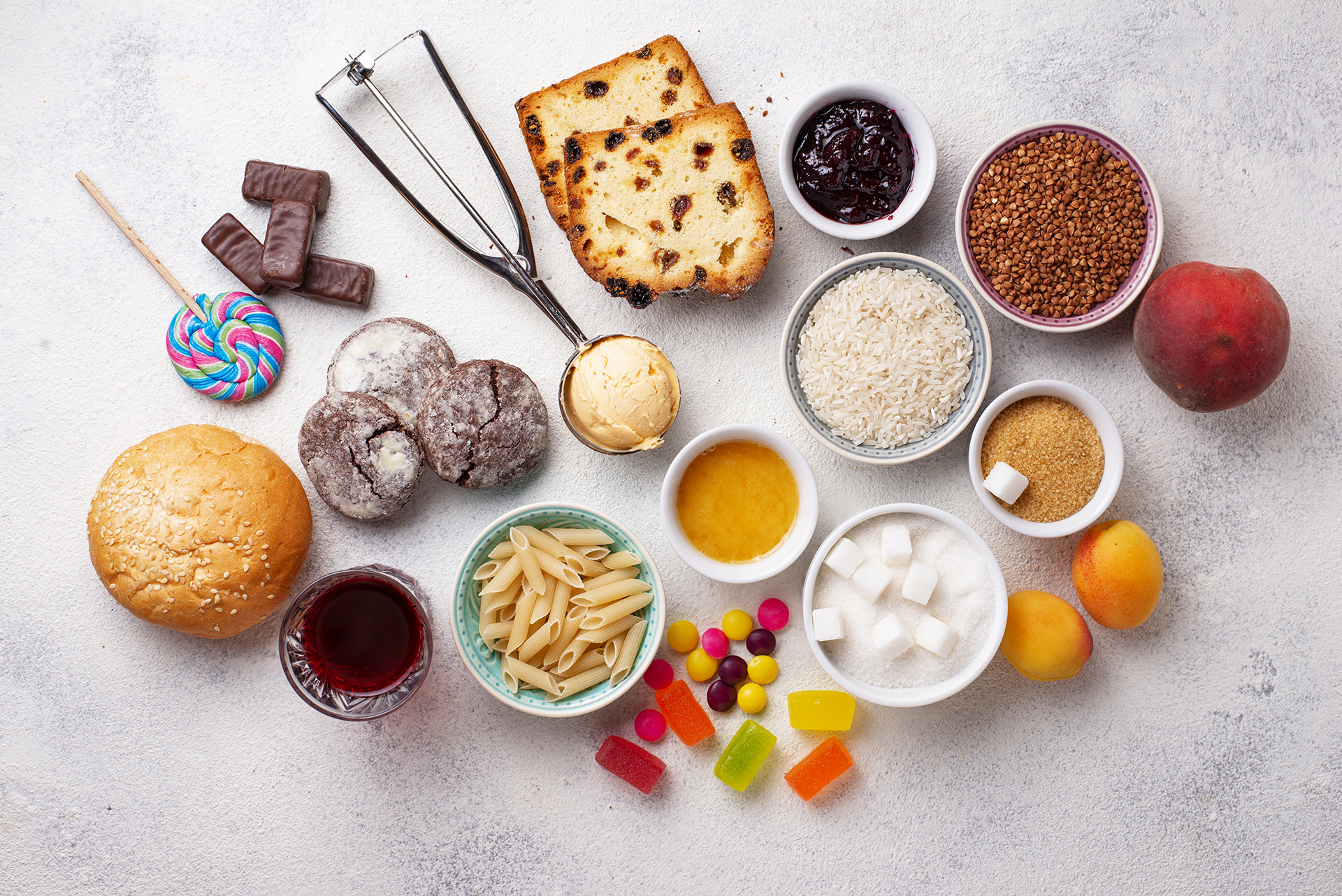
This test checks whether your body has trouble absorbing sucrose.
The Sucrose Breath Test looks for sucrose malabsorption — difficulty absorbing the sugar found in sweets, sauces, packaged snacks and many processed foods. A rise in breath gases signals your body isn’t breaking sucrose down properly.
Common symptoms
Bloating or abdominal pain
Excessive gas after meals
Diarrhoea or constipation
Nausea after eating certain foods
Unexplained fatigue or brain fog
Wait at least two weeks from your last dose of Oral or IV antibiotics (topical creams, eye/ear drops are fine).
Wait at least two weeks from a colonoscopy or barium meal enema procedure.
24 hours before: low fibre/FODMAP diet.
Do not eat any milk and dairy products (lactose free, soy, rice, almond, coconut milk are all okay).
Do not eat any canned or dried fruit, fruit juice, soft drinks, honey, alcohol.
No high fibre foods (e.g. beans, oats, wholegrains).
No fibre supplements, laxatives, probiotics.
Foods such as chicken (baked or broiled), fish, turkey, white bread, plain steamed white rice, eggs, chicken or beef broths, water, black coffee (no milk), black tea are fine. (no dairy, fruit, fibre, alcohol, soft drinks, dried fruit).
Fast for 12 hours prior to your first sample collection. For example: If your first breath collection is at 9am, stop eating at 9:00pm the night before.
Do not eat or drink anything other than plain water for 12 hours prior and during the collection period.
Children only need to fast for 10 hours.
People with type 1 or type 2 diabetes should speak with their doctor about safe fasting.
✕ No smoking the morning of or during the collection period
✕ No vigorous exercise, chewing gum or mints on the morning of the collection period
✕ No sleeping at least one hour before or during the test
✓ Brush your teeth, then rinse with plain water
✓ Continue fasting until the test is finished
✓ Drink plain water if needed during the testing period
✓ Take regular medications (e.g., blood pressure tablets, contraceptive pill)
This test checks how well your body digests and absorbs sucrose, the common sugar found in table sugar, sweets, and many processed foods.
ARE YOU EXPERIENCING:
Symptoms after sweets, packaged snacks
and many processed foods
IBS or functional gut symptoms
Children with recurrent abdominal pain

$140 pensioner rate